
Pantry pests
Pantry pest control in the GTA and Peel
Small moths near the cupboard or beetles in flour usually point to an infested dry product. Finding and removing the source is the first step.
What we’re dealing with
Indian meal moths are common pantry pests. Look for small, two-toned moths plus silky webbing or clumping in dry goods. Larvae may leave the food package and pupate along cupboard tops, hinges or wall edges, which is why adult moths can remain after the obvious product is removed.
Flour beetles. Small reddish-brown beetles in flour, cereal and baking mixes.
Sawtoothed grain beetles. Flat and slender, and they get into almost any packaging, including sealed cardboard.
Weevils. Snout beetles in rice, dried beans and grain.
Cigarette and drugstore beetles. In spices, dried herbs, pet food, and even decorative dried arrangements.
How pantry pests get inside
Pantry pests are usually introduced in a packaged dry product such as flour, cereal, rice, nuts, dried fruit, birdseed, pet food or dried decorative material. They can then spread to nearby packages. The problem is not a sign of poor housekeeping.
How we treat it
- Full pantry inspection. Every dry good, including birdseed, pet food, spices and decorative items, plus the cupboard voids, hinge crevices and undersides of shelves.
- Find and remove the source. The infested product gets bagged and taken out.
- Thorough vacuuming of shelves, corners, cracks and hinges.
- Crack and crevice treatment of cupboard voids and shelf edges. Never on food contact surfaces.
- Pheromone monitoring traps to catch the remaining adults and confirm it is over.
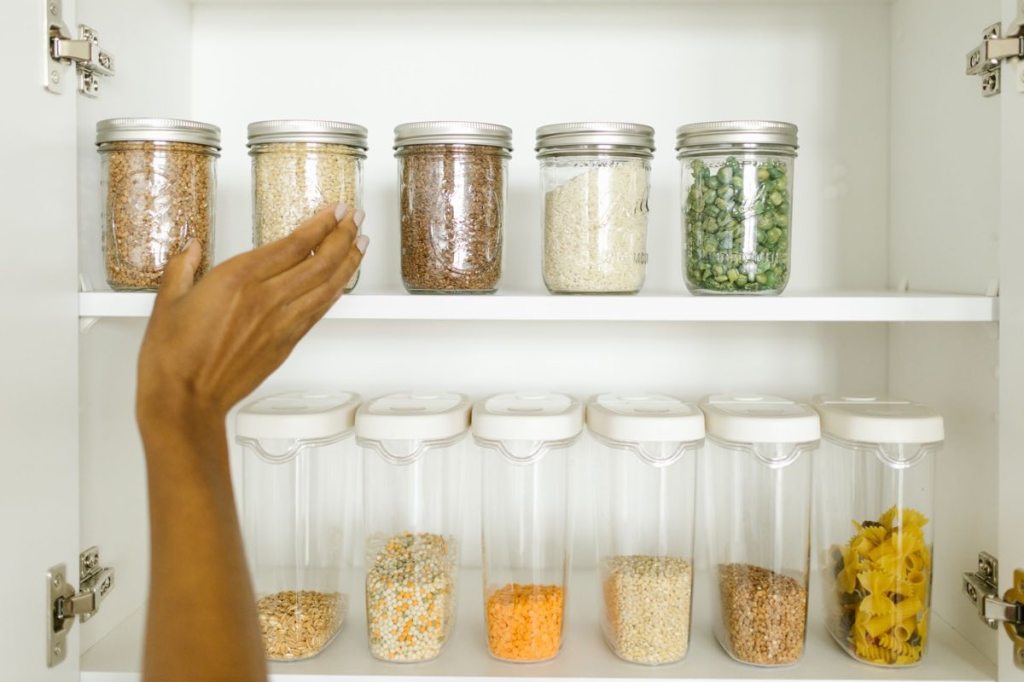
- A storage plan. Move dry goods into airtight glass or durable plastic containers. Thin bags and cardboard packaging may not stop pantry pests from spreading.
- Follow-up. Any applicable 90-day written guarantee is explained in your quote.
Prevention
Buy dry goods in quantities you will use, check dates and rotate stock. Store flour, grains, nuts, pet food and birdseed in sealed containers, and clean spills or crumbs from shelf edges and cupboard corners.
Is it safe around food?
We remove or protect food before treatment and follow the product label. Applications are limited to appropriate cracks, voids and crevices—not food or food-contact surfaces.
Find the source and stop the cycle.
Free initial assessment, clear written quote and guarantee terms explained in advance.

